Small business owners juggle customer work, planning, paperwork, and the details that keep a business moving. A useful gift can make one of those routines easier without asking the recipient to change how they work.
These 14 picks span desk organization, planning, shipping, calls, and workspace upgrades. Consider the recipient’s setup and daily tasks to find an item that fits.
14 Gift Ideas for Small Business Owners
Nelko Bluetooth Thermal Shipping Label Printer
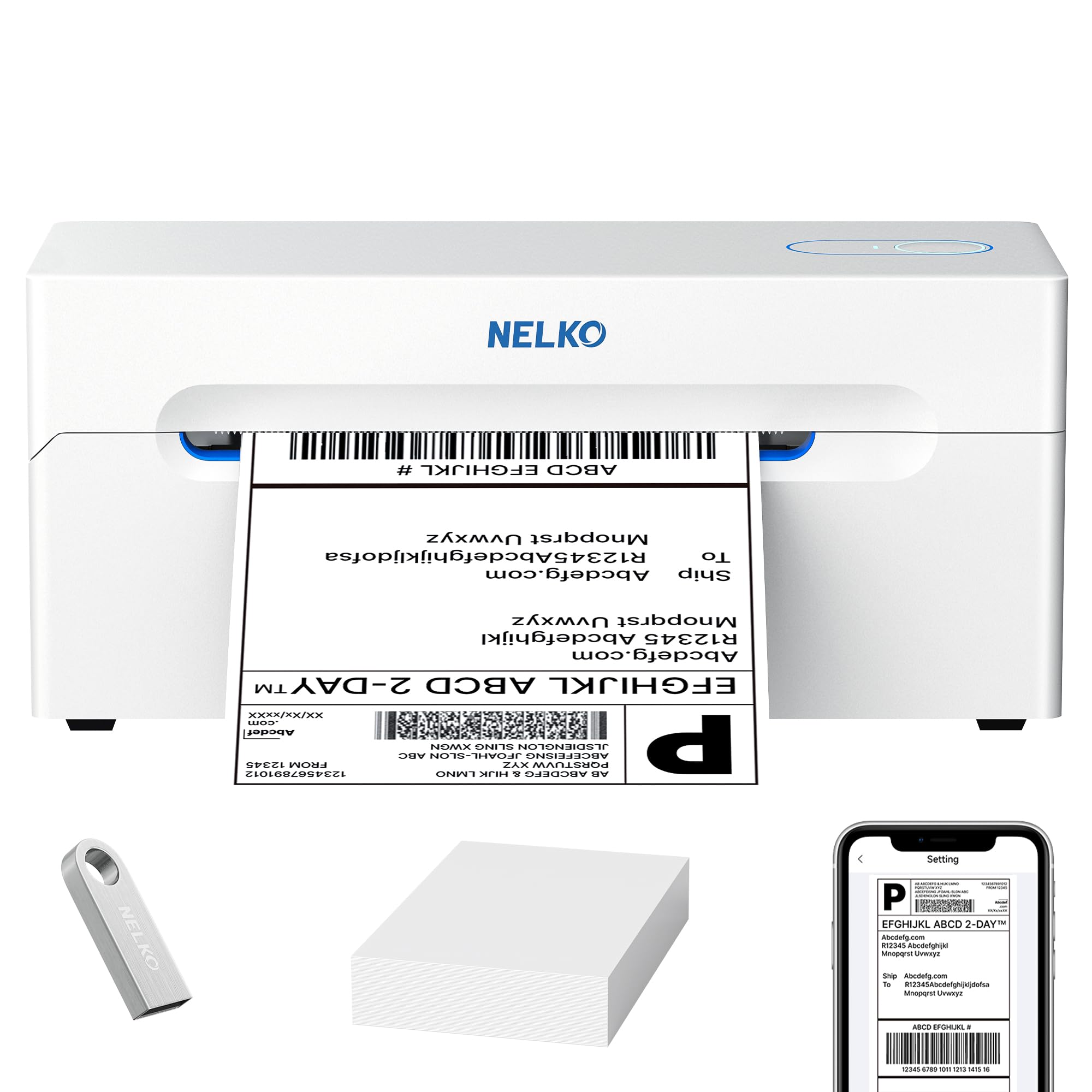
- Prints thermal labels without ink or toner.
- Connects wirelessly through the NELKO app on supported devices.
- Supports fanfold and roll labels in several widths.
Best Gift For: An online shop owner who regularly prepares parcels and shipping labels.

Clever Fox Planner PRO Light

- Includes monthly, weekly, and daily planning layouts.
- Undated pages let the owner start at any time.
- Comes with a step-by-step illustrated guide and stickers.
Best Gift For: An owner who likes mapping monthly goals and weekly tasks on paper.
Nulaxy Pull-Out Height Adjustable Laptop Stand
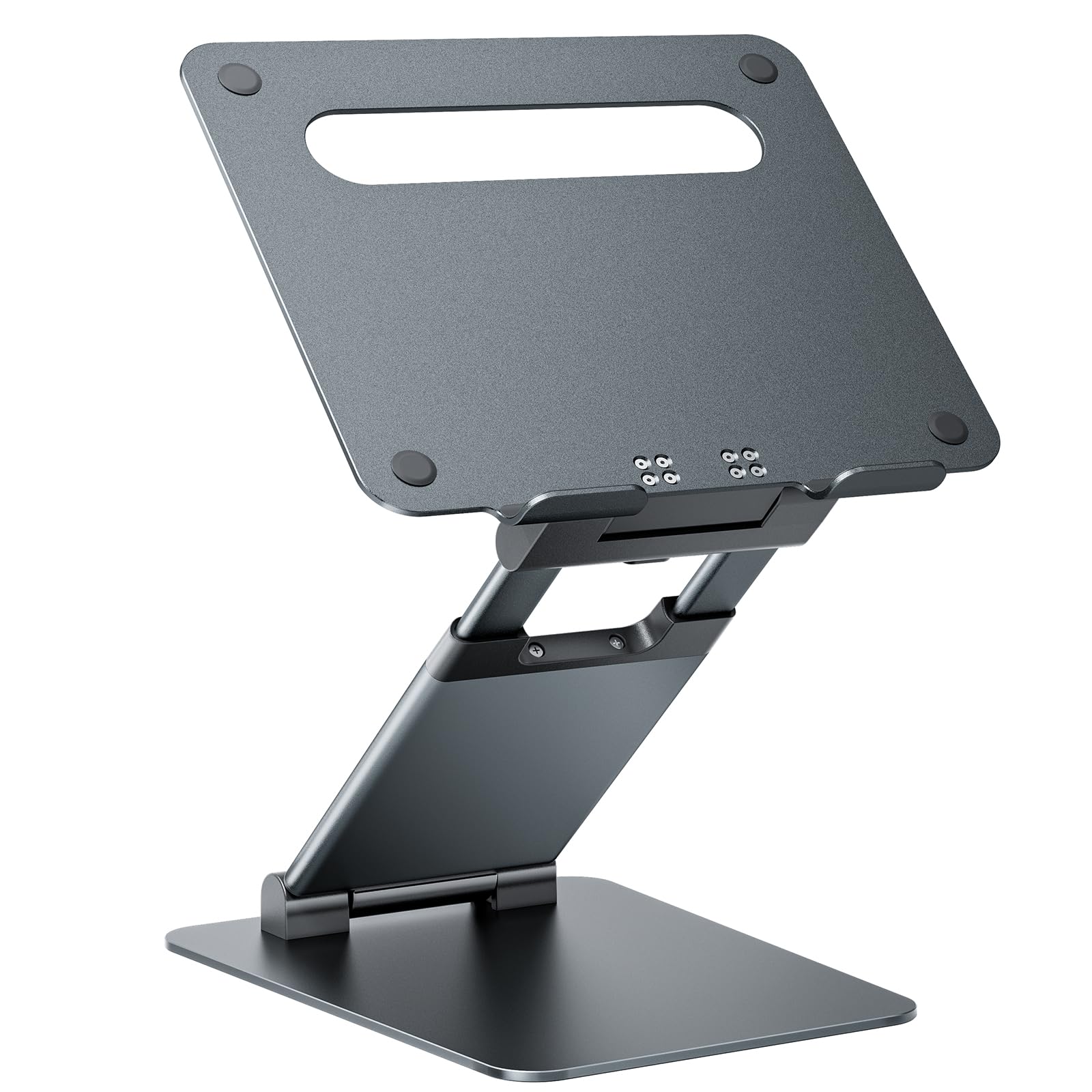
- Adjusts screen height for sitting or standing work.
- Folds compactly for storage or moving between work areas.
- Ventilation holes in the aluminum panel aid heat dissipation.
Best Gift For: A laptop user who alternates between sitting and standing at a desk.
SKYDUE Expanding File Organizer, 5 Pockets
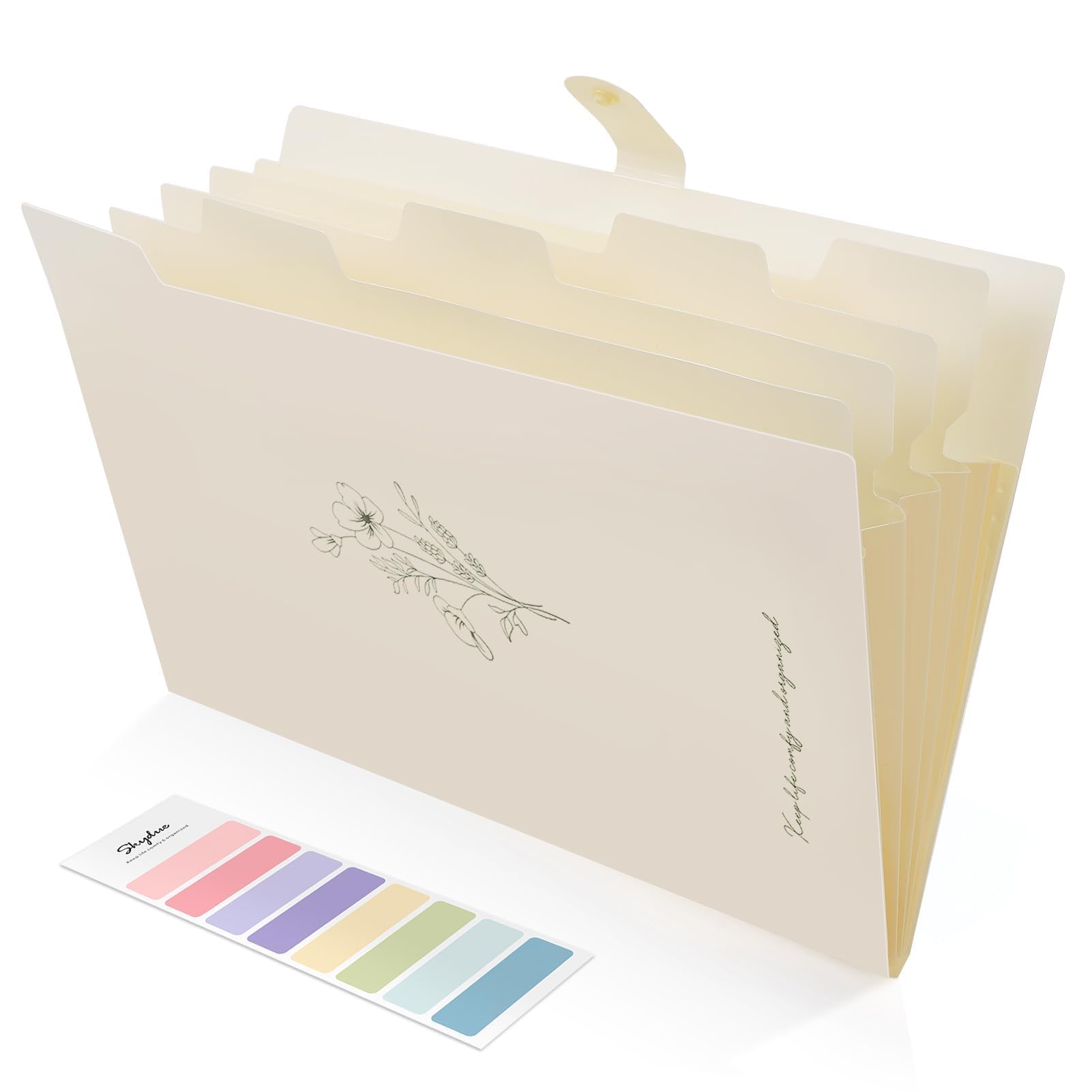
- Has five expandable pockets with tabs for labels.
- Fits both Letter and A4 paper.
- Lightweight and portable for home, office, or school use.
Best Gift For: An owner who wants invoices, receipts, or other loose papers organized by category.
SKYDUE 360 Degree Rotating Desk Organizer
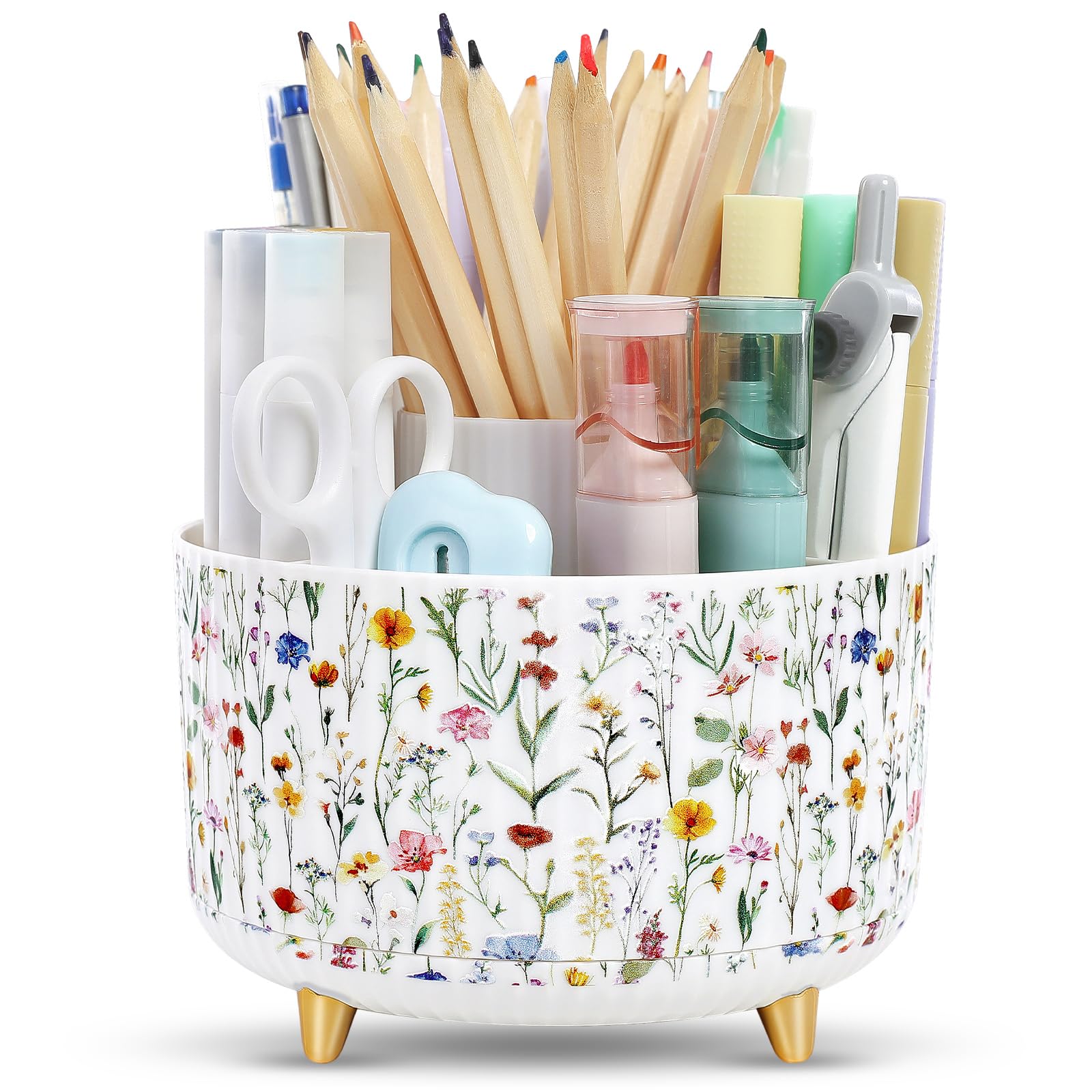
- Five compartments organize desktop supplies.
- Rotates to make writing tools easier to reach.
- Can also hold makeup brushes or kitchen condiments.
Best Gift For: An owner who keeps pens and small daily supplies close at hand.
Cross Classic Century 23KT Gold Plated Ballpoint Pen

- Uses a swivel-action mechanism.
- Refillable for continued everyday writing.
- Arrives in a gift box suited to business or personal occasions.
Best Gift For: An owner who appreciates a refillable pen for notes, journaling, or everyday use.
SIHOO M57 Ergonomic Mesh Office Chair
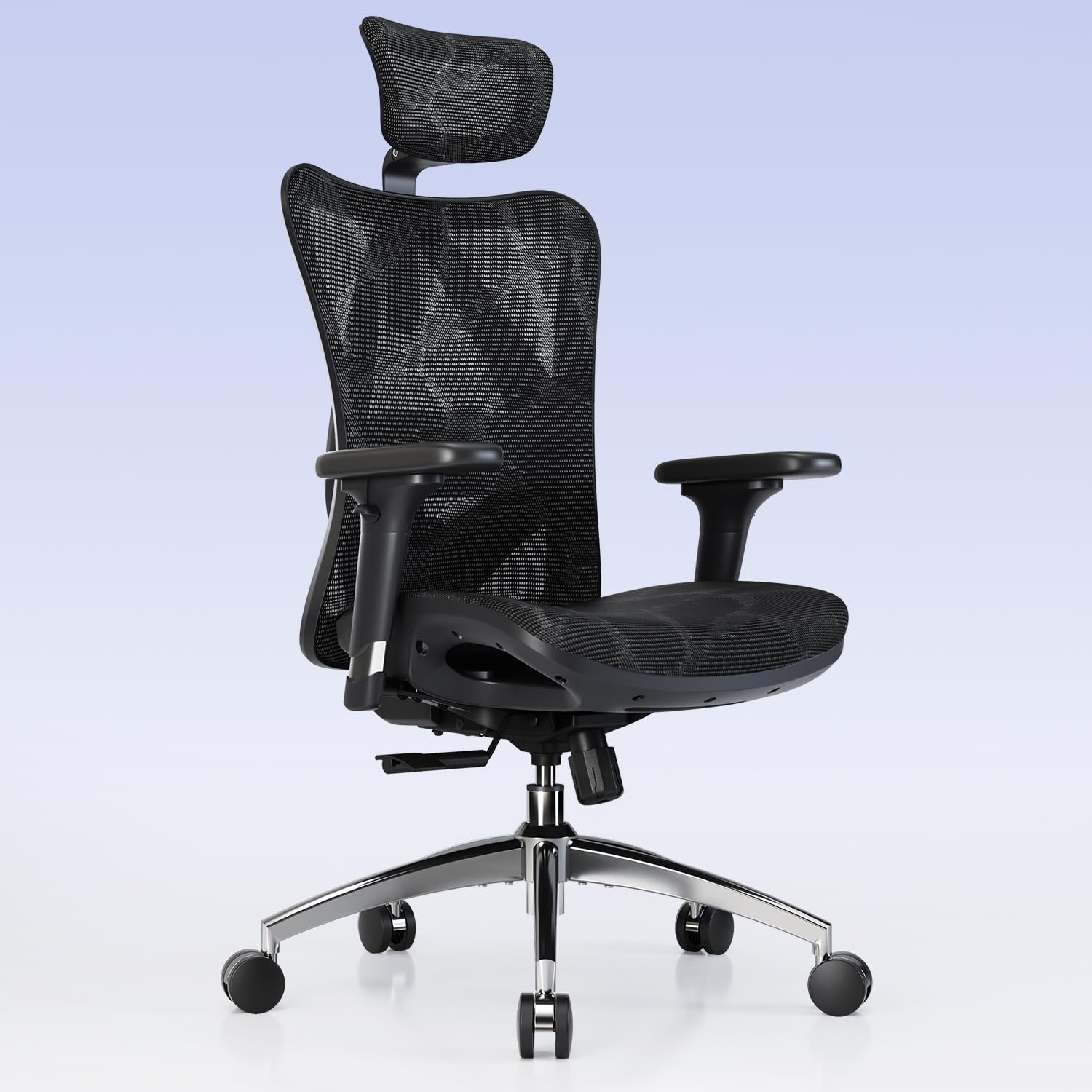
- Headrest adjusts in height and tilt.
- Lumbar support adjusts in height and depth.
- The mesh back chair reclines from 90° to 126°.
Best Gift For: An owner setting up a home office for extended desk work.
FLEXISPOT EN1 One-Piece Standing Desk
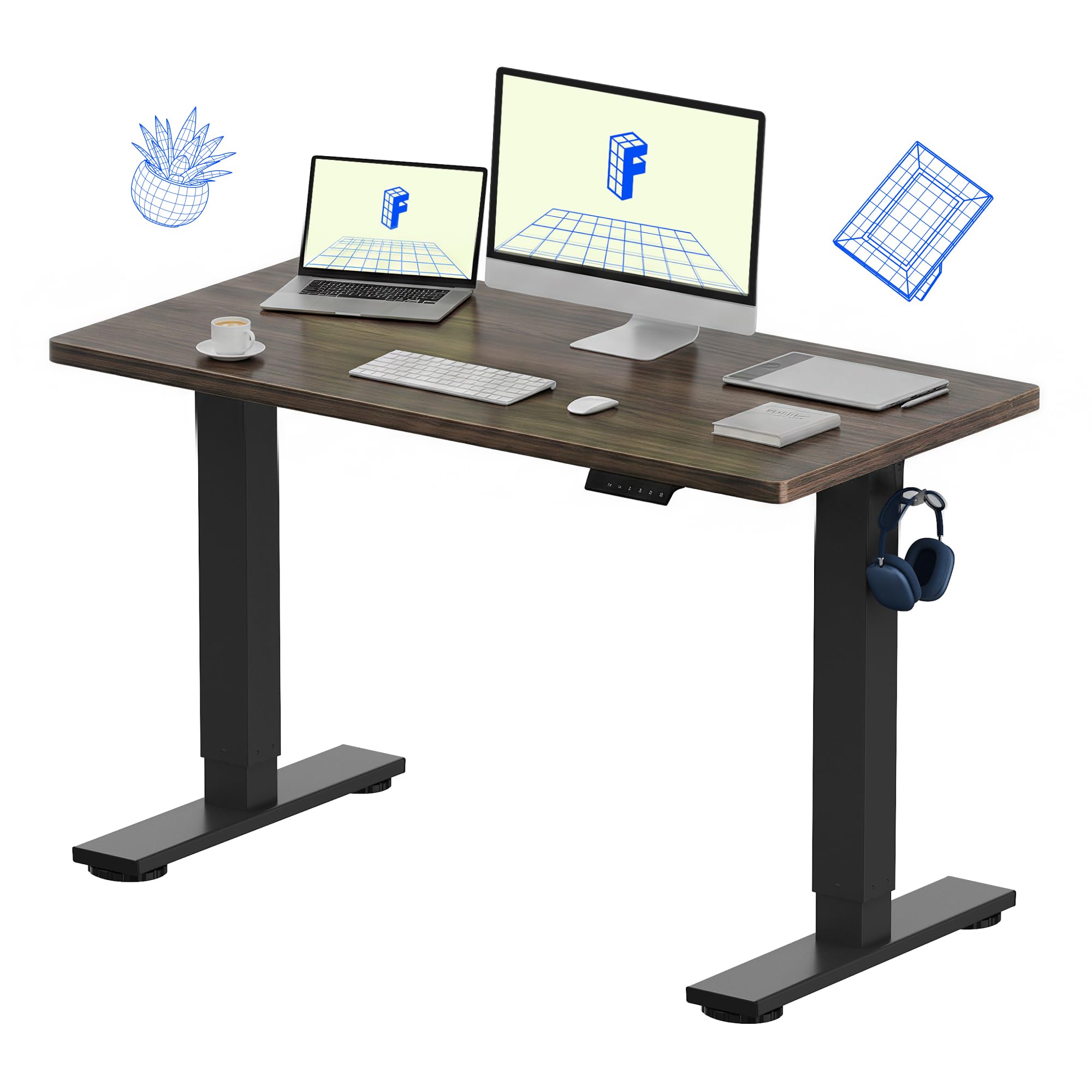
- Electric height adjustment supports seated and standing work.
- Four memory presets save preferred desk heights.
- The desktop provides room for monitors and accessories.
Best Gift For: A remote business owner who wants the option to work seated or standing.
TP-Link AXE5400 Tri-Band WiFi 6E Router
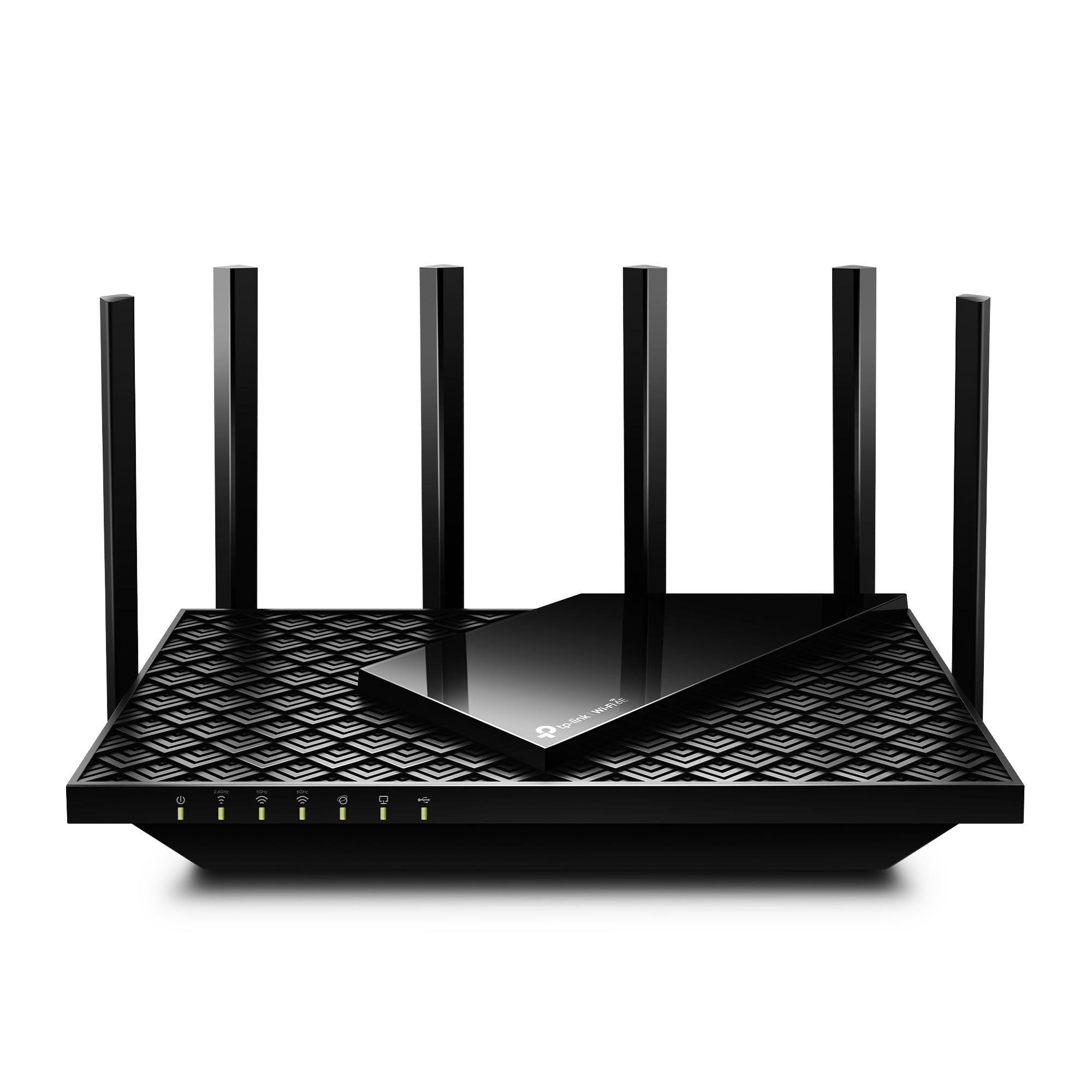
- Includes a 6 GHz band for WiFi 6E.
- Supports a OneMesh network with a compatible extender.
- Supports VPN server and client functions.
Best Gift For: A household with several connected devices
FIFINE T669 USB Microphone Kit
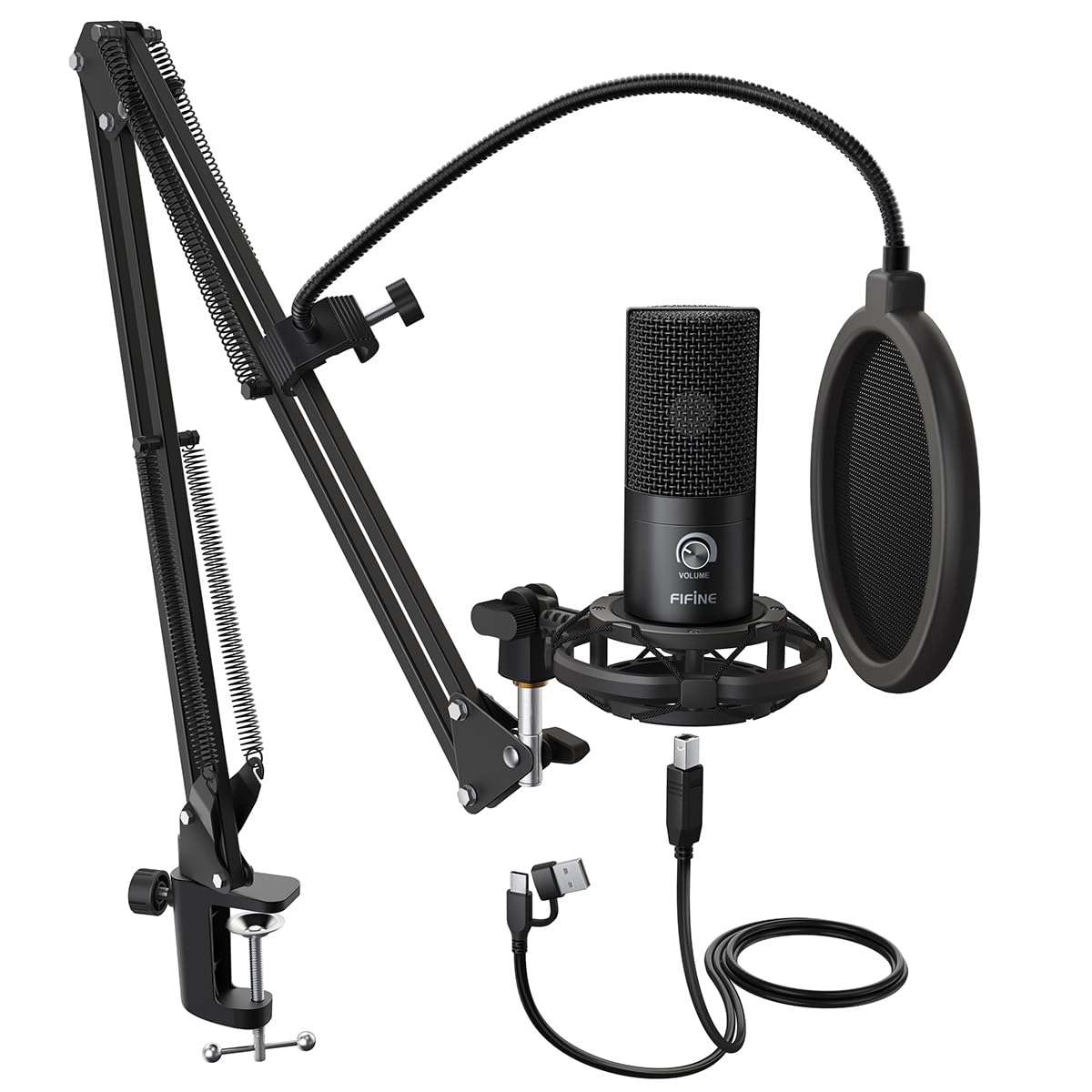
- Connects to a PC or laptop over USB without extra drivers.
- Includes an adjustable boom arm and double pop filter.
- Cardioid pickup captures sound from the front and helps avoid ambient noise.
Best Gift For: An owner who records voiceovers, podcasts, or joins online conferences from a computer.
SteelSeries QcK XXL Gaming Mouse Pad
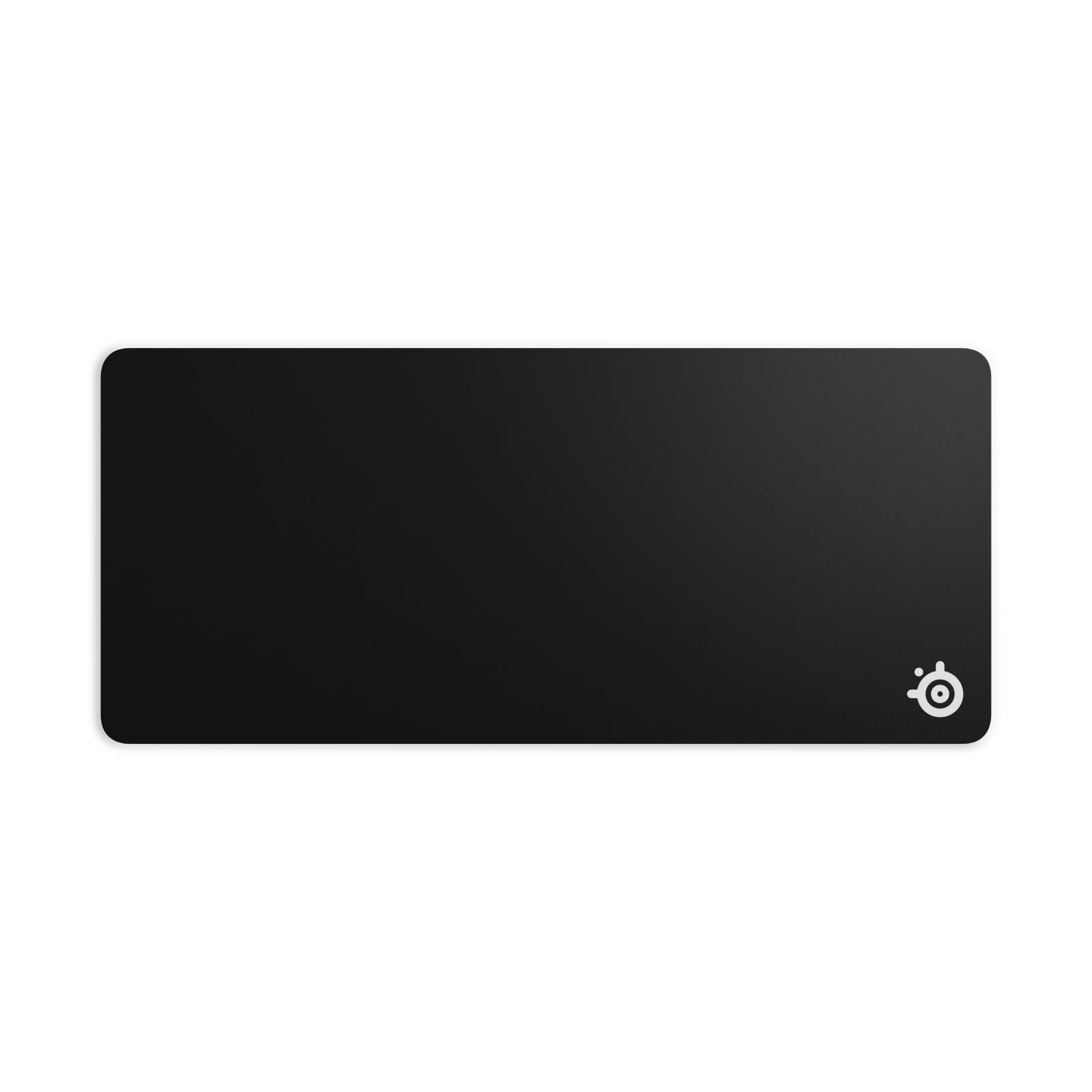
- XXL coverage accommodates a keyboard, mouse, and monitor.
- The surface is micro-woven cloth.
- The rubber base is designed to resist slipping.
Best Gift For: An owner who uses a mouse and keyboard at a desk and wants a broad work surface.
VASAGLE 2-Drawer Rolling File Cabinet
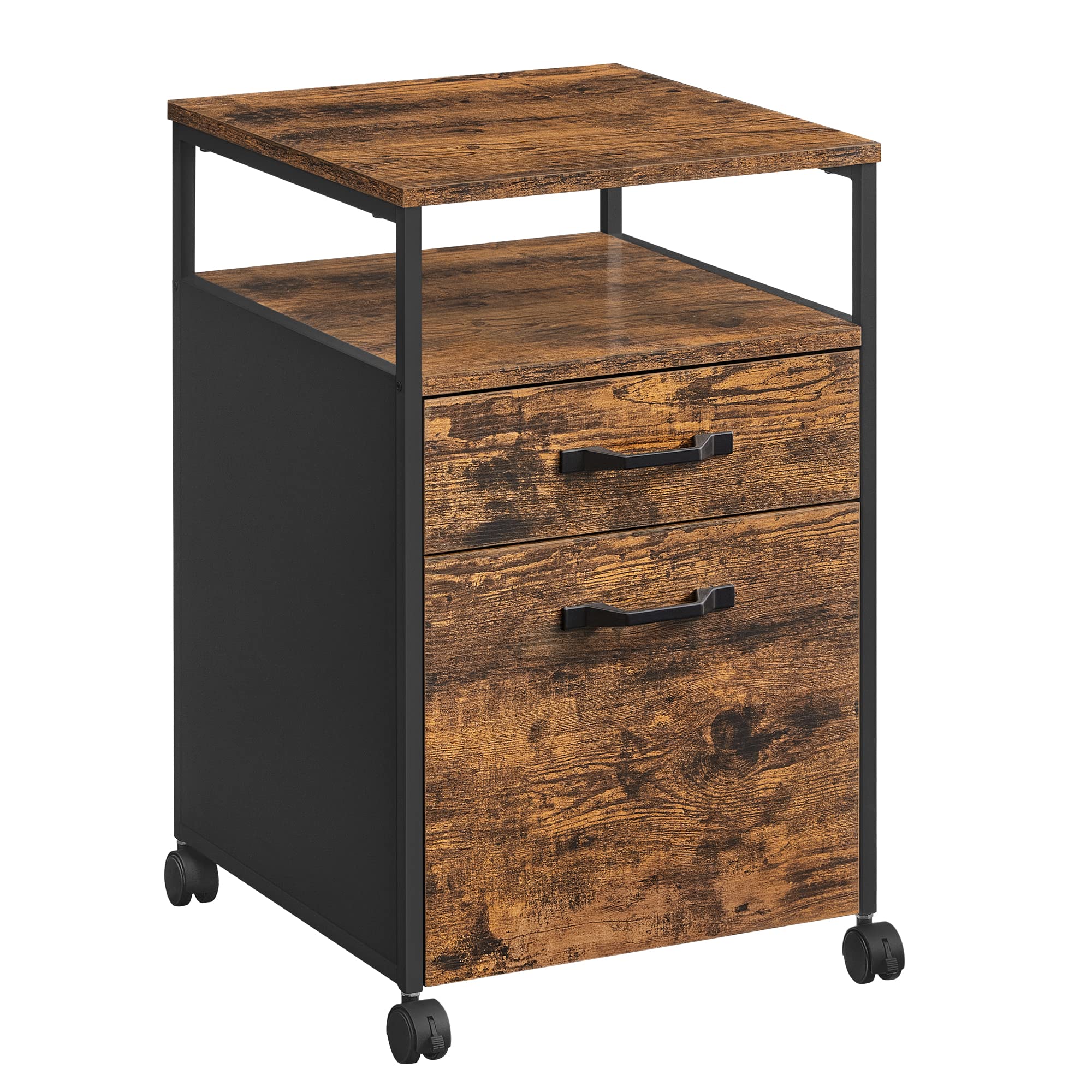
- Includes a drawer for A4 or Letter-size files, another for supplies, and an open shelf.
- Four swivel wheels make it movable; two lock in place.
- Marked parts and illustrated instructions support assembly.
Best Gift For: An owner who needs file and supply storage that can tuck beneath a desk.
VASAGLE 3-Tier Printer Stand with Locking Wheels
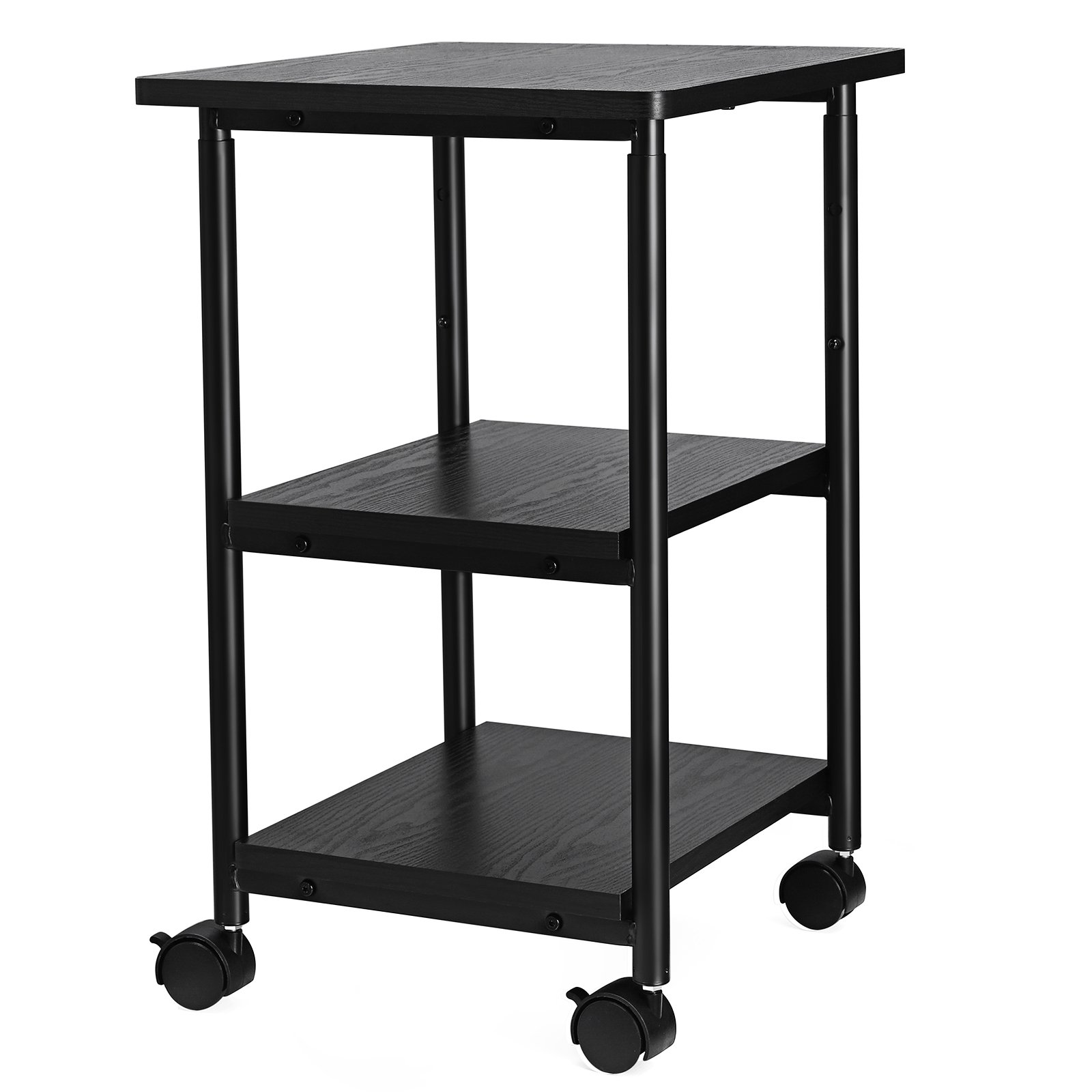
- Two lower shelves add storage for paper, ink, or folders.
- Four wheels let the stand move, with two that lock.
- The top supports up to 99 lb.
Best Gift For: An owner who wants to move a printer and keep paper or folders nearby.
JLab Go Work Wireless Headset, 1 Pack
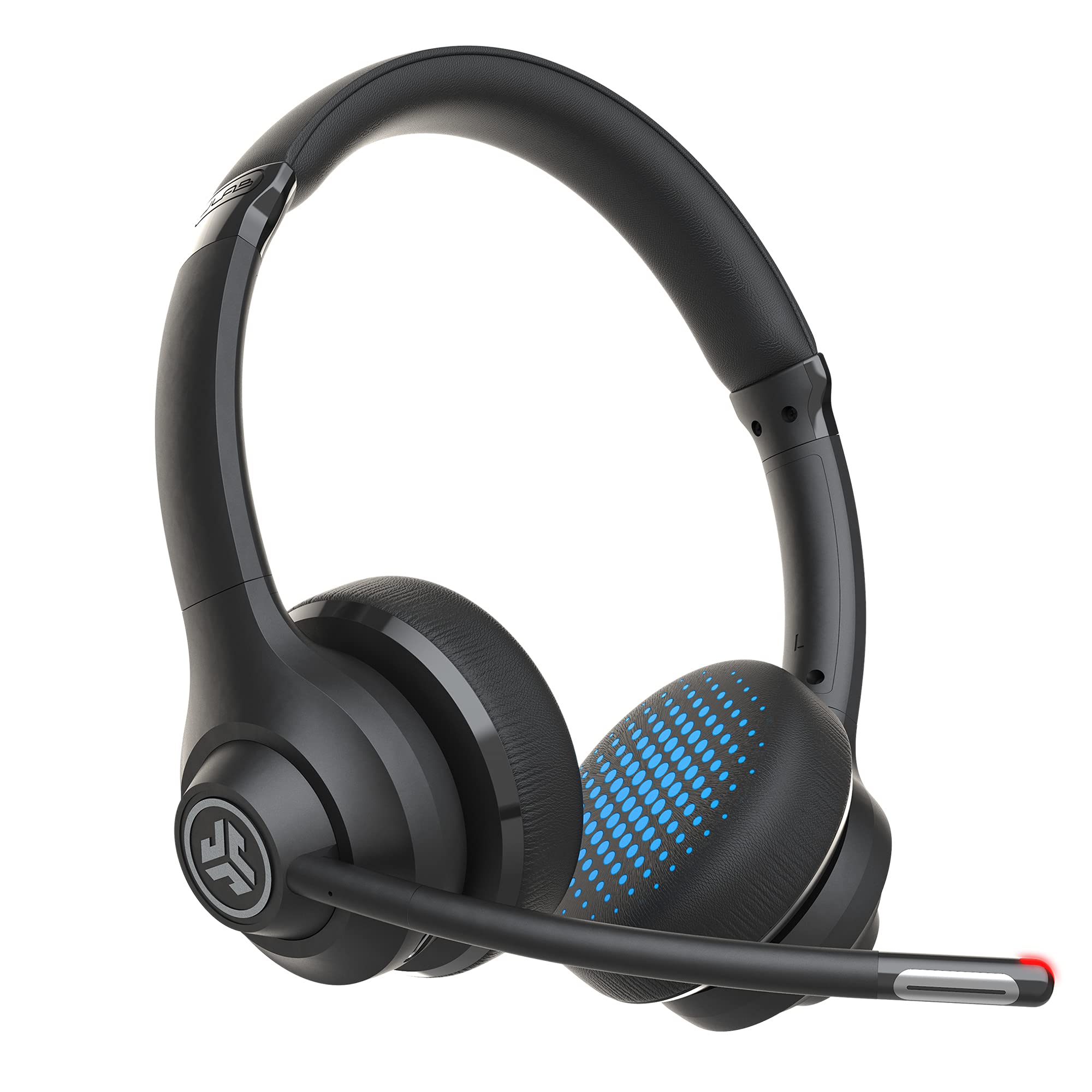
- Bluetooth multipoint connects to two devices at once.
- Can also connect with the included USB-C to 3.5mm cable.
- The boom microphone rotates out of the way for listening.
Best Gift For: An owner who switches between computer calls and mobile listening.
1. Match gifts for small business owners to the workday
Start with the part of the workday that creates the most friction. A seller packing orders may appreciate a smoother labeling routine, while a consultant may value a more organized desk or a comfortable setup for long hours.
The most useful gifts for small business owners connect to a task the recipient already handles often.
Think about where the person works and what they actually do there. Someone at a shared dining table may have little room for a large workstation, while a dedicated office can make room for furniture.
For paperwork-heavy work, consider whether documents are mainly digital or still move through folders and receipts.
If you are unsure, choose something with a flexible role: a planner for someone who writes things down, a desk organizer for scattered everyday supplies, or a headset for a person who takes calls. A gift that fits an existing habit is easier to welcome than a tool that asks them to adopt a whole new routine.
2. Balance cost with usefulness
Set a comfortable spending range before browsing, then compare gifts by how often they could be used and how directly they fit the recipient’s work. A small desk accessory can be a thoughtful gesture; a substantial workspace upgrade may make sense when you know the person needs it and has room for it.
For more involved equipment, check current prices and the full setup requirements before deciding. A printer, router, or microphone may connect differently from the recipient’s existing devices, so confirm compatibility and any needed accessories.
A lower-cost gift can be more practical when it works with tools already in use.
Shared gifting can make a larger purchase manageable, but coordinate with other contributors and the recipient’s space. Furniture needs room and assembly; everyday supplies need a clear purpose.
Choose the level of expense that feels appropriate to your relationship, rather than assuming that a business owner needs a premium upgrade.
3. Personalize gifts for small business owners
A personal touch can make a practical item feel considered. Tie the choice to a recognizable detail: a new online shop, a first client project, a growing paperwork pile, or the owner’s preference for planning by hand.
That small connection makes gifts for small business owners feel selected for a person, not just a job title.
Presentation can match the business without making the gift feel like branded merchandise. Add a simple note that mentions the milestone or routine you had in mind.
For a group gift, invite each contributor to add a short message; for a more formal relationship, keep the wrapping neat and the note warm but brief.
Consider whether the recipient would enjoy a tool meant for their work or would prefer something that helps separate work from home life. A useful office item can acknowledge effort, while a personal note can recognize the person behind the business.
Avoid adding accessories or supplies unless you know they fit the recipient’s preferences and setup.
4. Pick a gift that fits the budget and workspace
A business can run from a spare room, a shared studio, a storefront, or a laptop carried between locations. Think through the available surface area, storage, and whether the recipient can leave equipment set up.
Compact organizers and portable paperwork solutions may suit a tight workspace better than another large object.
Budget tradeoffs are also about commitment. Furniture and network equipment involve more space and compatibility decisions than a pen or planner.
When the recipient has mentioned a specific need, a larger gift may solve a real problem; otherwise, a modest item with a clear use can feel more thoughtful and easier to incorporate.
For an office upgrade, consider pooling funds only when everyone agrees on the choice and the recipient has room for it. If the purchase is a surprise, favor things that are simpler to fit into a routine, and keep the receipt or gift details accessible in case the recipient needs to check suitability.
5. Last-minute buying advice
When time is short, narrow the choice to an item that fits a known task and current setup. Check current compatibility, dimensions, and delivery estimates before placing an order, and leave room for the recipient’s schedule.
Avoid relying on assumed arrival dates or assuming that a particular device will work with their equipment.
For a same-day presentation, a concise note can explain why you chose the gift and connect it to a recent milestone. If the item needs assembly or setup, mention that in your note so the recipient can plan for it.
A practical gift is easier to enjoy when it arrives with a little context and no pressure to use it immediately.
If you are uncertain between two options, choose the one with the clearest fit for the person’s established routine. A flexible everyday tool is often easier to adopt than a specialized device that may require extra space or compatibility checks.
Thoughtful timing and a sincere message can make even a simple gift feel personal.